

Strains, Sprains & Injuries
I’ve hurt myself. What now?
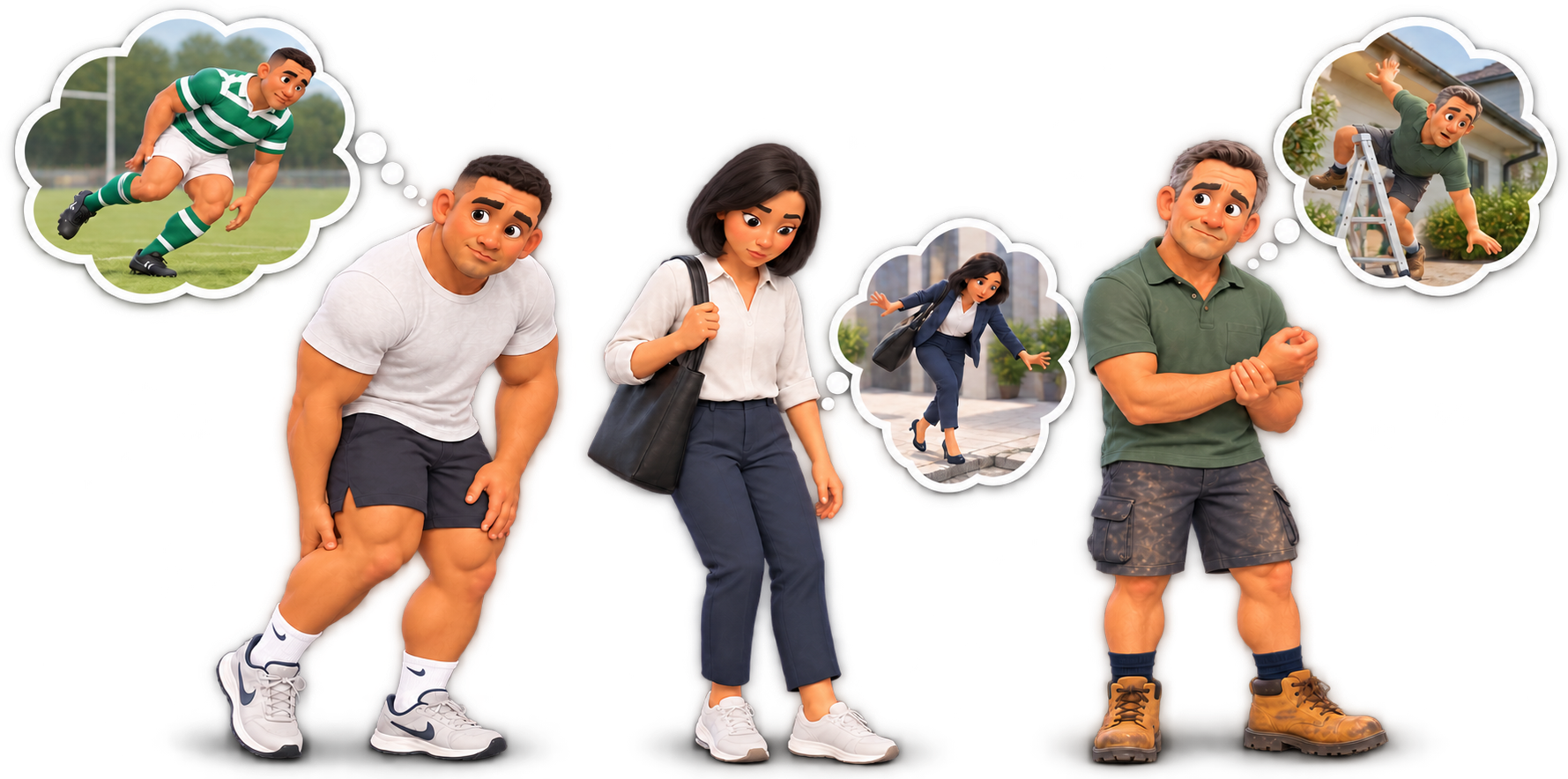
Sometimes you know exactly when it happened: a sudden pull, a rolled ankle, a fall or an awkward landing. What’s less obvious is what you’ve actually injured, how much you should use it, and what you should do next.
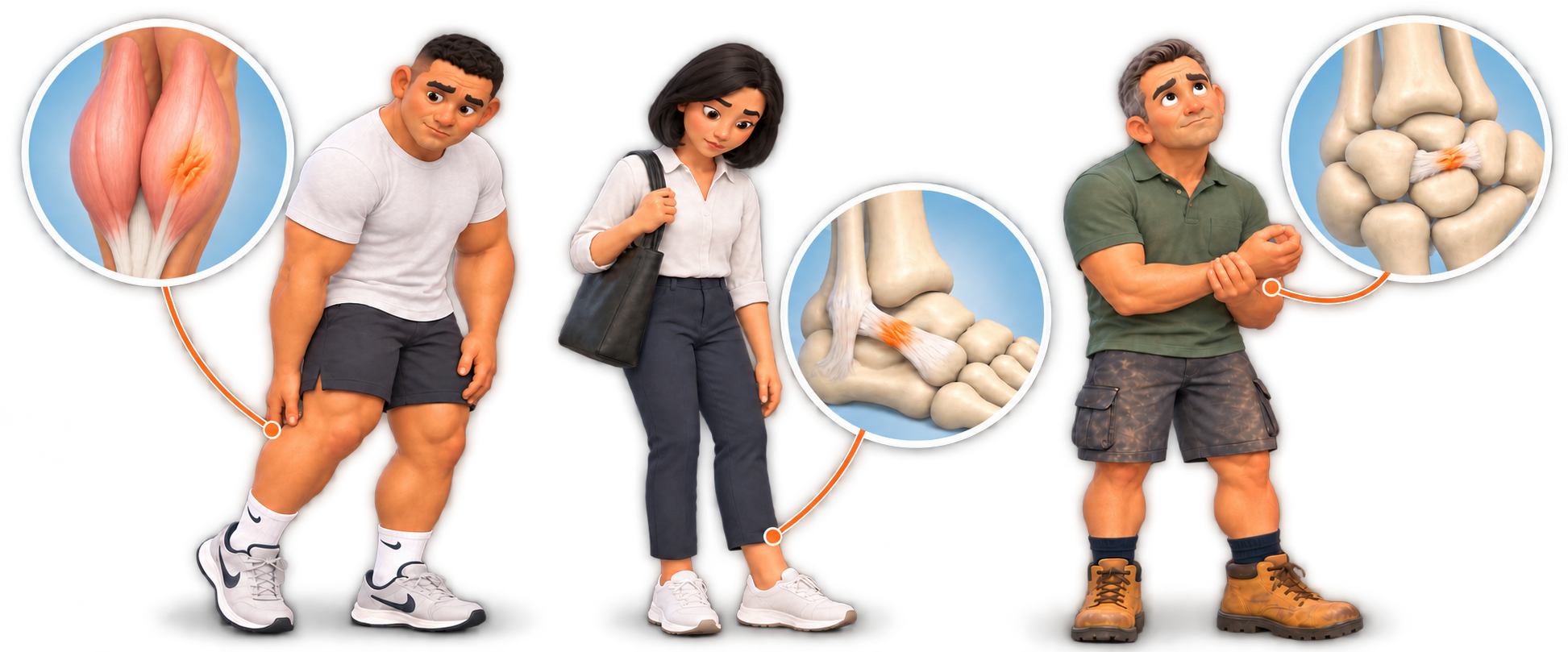
What have I actually done?
An injury doesn't always mean something has completely torn or broken. Muscles, ligaments and joints can be injured to different degrees, and often most of the tissue is still perfectly intact.
What should I do now?
Getting it properly assessed is the best next step.
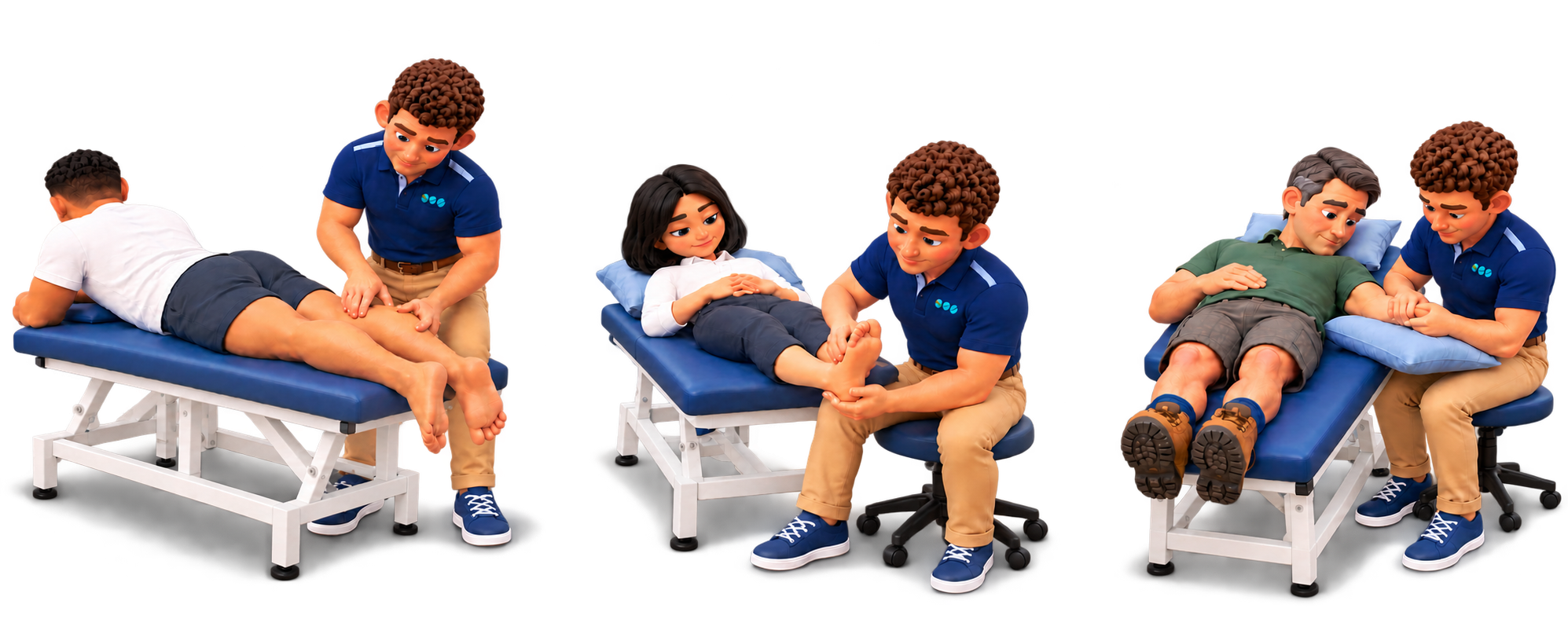
How an injury occurred and what happened immediately afterwards reveals a lot about how serious it is. A thorough assessment includes a conversation asking about the incident, how the area has behaved since, and whether there are any other symptoms that might change what you should do next.
We also need to physically examine the injury, looking at things like movement, strength, tenderness and how well the injured area is functioning.
The aim is to work out what has likely been injured, how significant the injury is, and whether it can be managed in the clinic or needs further investigation, such as a scan or referral to an orthopaedic surgeon.
How can I get this fixed?
Once we understand the injury, the next step depends on what we find.
If the assessment suggests the injury needs further investigation or specialist input, we'll explain why and help point you in the right direction.
For most injuries that can be managed conservatively, rehabilitation can begin straight away and progress as the injury heals.
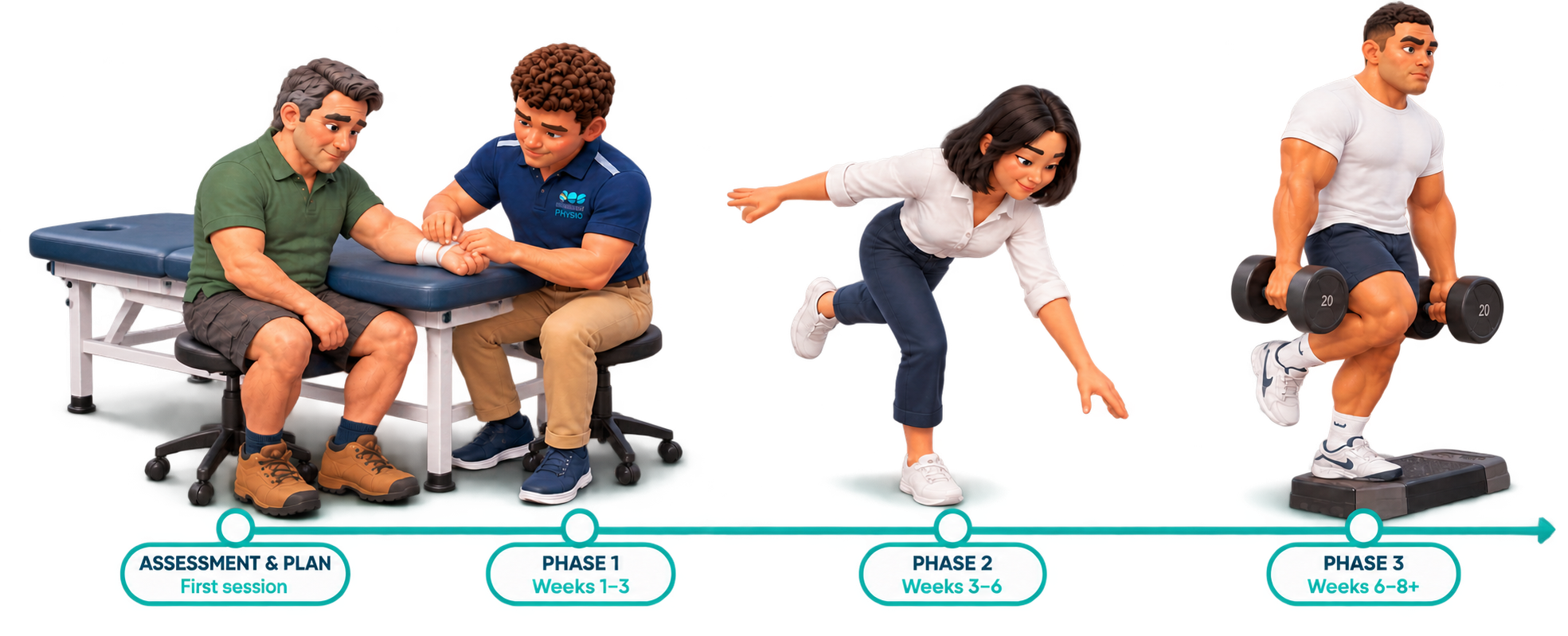
Early on, treatment might include joint mobilisation and massage, and simple exercises matched to your injury severity and stage of healing.
As the injury settles, the focus shifts towards rebuilding strength, balance and confidence. Exercises become progressively more challenging as your capacity improves.
Later rehabilitation should prepare you for the demands you need to get back to, whether that means sport, work or everyday life.
The timeframes shown are only a guide. How quickly you progress depends on the injury, how it is healing and what you need to get back to.
How do I stop it from happening again?
Once you've recovered, the focus shifts from rehabilitation to keeping your body ready for the things you want to do.
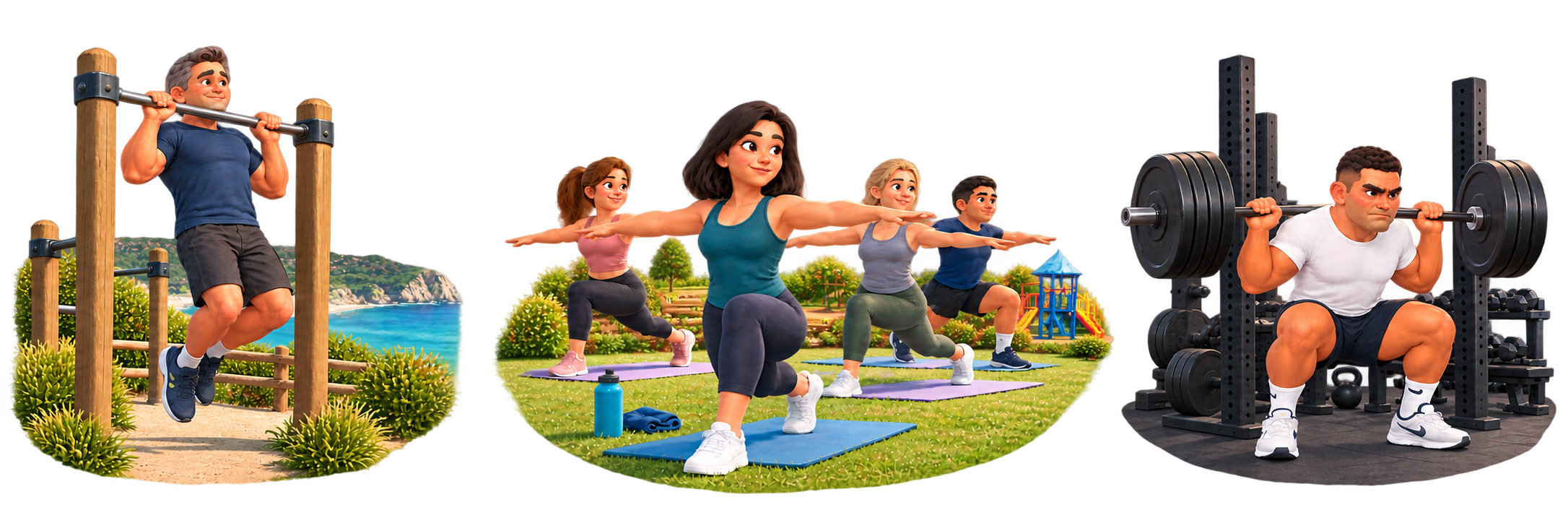
For many injuries, that means maintaining your strength and fitness, staying active, and making sure your body is prepared for the demands of your sport, work or everyday life.
You don't necessarily need to keep doing your rehabilitation exercises forever. As you recover, they can gradually become part of normal strength training, exercise, sport or whatever you enjoy doing to stay active.
You can't prevent every future injury, but staying strong, active and prepared for the things you ask your body to do gives you a good foundation for staying well.
Ready to get your injury checked?
Book an initial physiotherapy consultation and we'll help you work out what you've injured and what to do next.
Book an appointment